
FROM DISCOVERY TO DELIVERY
THE JOURNEY BEHIND EVERY CURE
- Friday, October 9, 2026
- ITC Maratha, Mumbai
Global Pharma Logistics Summit 2026

Every cure begins long before a medicine reaches the patient. It starts with scientific discovery, diagnostics and clinical research, and continues through sourcing, manufacturing, quality testing, packaging, transportation and distribution. As healthcare advances towards biologics, vaccines, personalised medicines, cell and gene therapies and sophisticated medical devices, each stage requires precise temperature control, regulatory compliance, secure data exchange and end-to-end visibility. India’s push to expand biopharmaceutical manufacturing and clinical research makes these capabilities increasingly critical.
Global Pharma Logistics Summit 2026 will examine how pharmaceutical and biopharma companies, diagnostic laboratories, medical-device manufacturers, healthcare institutions, logistics providers, packaging specialists, technology companies and policymakers can connect this complex journey. From protecting research samples and securing critical raw materials to anticipating disruptions and delivering treatment to the patient, the summit will explore how intelligent, resilient and globally connected supply chains can turn scientific innovation into safe, accessible and timely healthcare.

08
EDITIONS
190+
SPEAKERS
900+
DELEGATES
560+
SHIPPERS
44+
NETWORKING HOURS
AGENDA
Business Session 1
What it takes to go beyond generics and build supply chains for biopharma
India is now setting its sights on biologics and biosimilars through the government's Biopharma SHAKTI initiative. Backed by a ₹10,000 crore investment, the programme aims to strengthen research, manufacturing, clinical trials and regulatory capabilities, while supporting the launch of 100 biologics by 2047. Unlike conventional medicines, biologics demand specialised manufacturing, robust cold chains, advanced packaging and end-to-end supply chain visibility. Examine whether India's logistics ecosystem is ready for this transition and what it will take for manufacturers, logistics providers, technology companies and policymakers to build world-class supply chains for the next generation of medicines.
Business Session 2
How can pharmaceutical supply chains thrive in the unpredictable world?
For decades, pharmaceutical supply chains were designed for cost and efficiency. Today, resilience has become just as important. Geopolitical tensions, shifting trade policies, tariffs, conflicts affecting major shipping routes, volatile freight costs and fluctuating air and ocean cargo capacity are forcing manufacturers to rethink sourcing strategies, inventory planning and global distribution networks. Explore how pharmaceutical companies are building more resilient supply chains through supplier diversification, multimodal logistics, strategic inventories, digital visibility and stronger collaboration across the ecosystem, while balancing cost, capacity and uninterrupted access to medicines.
Business Session 3
Can India break API dependency & build a resilient pharma supply chain?
India is known as the Pharmacy of the World, yet it continues to rely on China for around 65% of its critical active pharmaceutical ingredients (APIs), key starting materials (KSMs) and intermediates. As geopolitical tensions and supply disruptions become more frequent, reducing this dependence has become a strategic priority. At the same time, initiatives such as the PLI Scheme for Bulk Drugs and Bulk Drug Parks are encouraging domestic manufacturing. Discuss how India can strengthen its API ecosystem while remaining globally competitive, and the role logistics and supply chains must play in building a more resilient pharmaceutical industry.
Business Session 4
Can artificial intelligence build a predictive pharmaceutical supply chain?
Tracking shipments in real time is no longer enough. Pharmaceutical manufacturers are looking for end-to-end visibility across suppliers, factories, warehouses, logistics providers and distribution networks, along with predictive insights that enable action before disruptions occur. AI-powered control towers, digital twins, IoT sensors and cloud-based platforms are transforming fragmented data into real-time intelligence. Explore how the industry can move beyond visibility to prediction, enabling smarter decisions, reducing risks and building more connected, intelligent and resilient pharmaceutical supply chains.
Business Session 5
Will FTAs change where & how medicines are manufactured and distributed?
India's expanding network of Free Trade Agreements, particularly the landmark India-EU FTA, is creating new opportunities for pharmaceutical exports. But market access alone is no longer enough. As manufacturers expand into highly regulated markets, they must also meet rising expectations around quality, compliance, speed, traceability and supply chain resilience. Examine how FTAs are influencing manufacturing strategies, sourcing decisions and logistics networks, and whether India's ports, airports, cold chains and digital infrastructure are ready to support the country's next phase of pharmaceutical growth.
Business Session 6

Can packaging and ULD innovation protect the next generation of medicines?
Biologics, vaccines, cell and gene therapies are placing unprecedented demands on packaging solutions and air cargo equipment. Active and passive thermal packaging, reusable containers, smart sensors, real-time monitoring and specialised ULDs are becoming critical to maintaining product integrity throughout the journey. At the same time, regulators are placing greater emphasis on traceability and packaging compliance to combat counterfeiting and strengthen patient safety. Explore how pharmaceutical manufacturers, packaging companies, airlines, ULD providers and logistics partners are working together to build solutions for the next generation of medicines.
Business Session 7
What does it take to protect and strengthen supply chains for medical devices?
India's medical device industry is entering a period of rapid expansion, supported by government efforts to boost domestic manufacturing, reduce import dependence and increase exports of high-value medical technologies. Manufacturers must manage thousands of components and SKUs, precision manufacturing, import-dependent supply chains, regulatory compliance, service parts, capital equipment installation and just-in-time deliveries to hospitals. Explore how manufacturers, logistics providers, healthcare institutions and policymakers can build export-ready supply chains for India's next phase of MedTech growth.
Business Session 8
Can logistics close the gap between testing, diagnosis and treatment?
Every treatment begins with a diagnosis, making the movement of biological samples as critical as the movement of medicines. As precision medicine, companion diagnostics, genomics and decentralised clinical trials expand, blood, tissue and other patient specimens must travel quickly, securely and under tightly controlled conditions to preserve sample integrity and accelerate clinical decisions. Explore how diagnostic companies, hospitals, laboratories, clinical research organisations and logistics providers can build resilient sample and reagent supply chains through stronger cold-chain infrastructure, end-to-end traceability, chain-of-custody controls, digital visibility and faster multimodal transport, ensuring that accurate diagnoses lead to timely treatment and better patient outcomes.
SPEAKERS
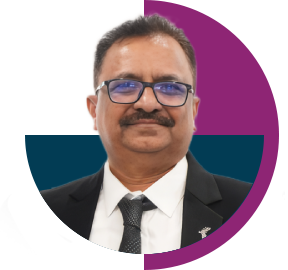
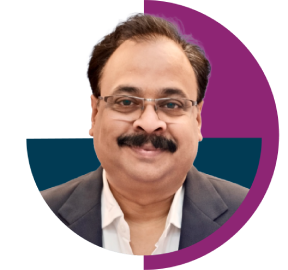
Devang Vyas
General Manager - Export Logistics
Glenmark Pharmaceuticals
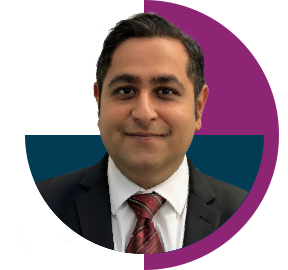
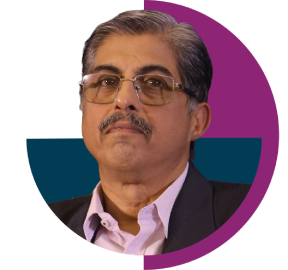
Sugeet Chopra
Senior Vice President of Supply Chain Management
Strides Pharma Science
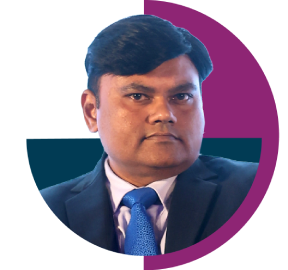
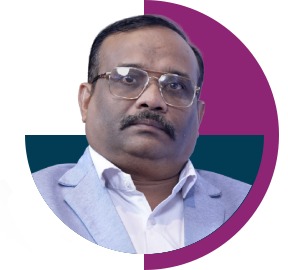
Sheshagiri Koppal
Deputy General Manager (DGM), Director Procurement
Olon India
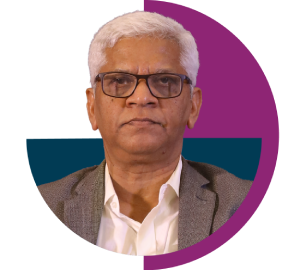
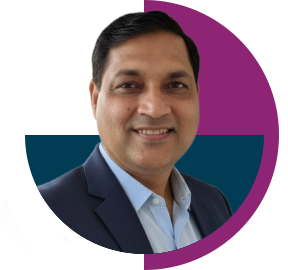
Tejas Mehta
Assistant Vice President - Head Logistics and MSS
Glenmark Pharmaceuticals
Krishna Parab
Senior Vice President - Business Operations
Encube Ethicals
TESTIMONIALS
GPLS brings together pharmaceutical and logistics companies to strengthen collaboration and improve the availability of medicines, helping ensure better access for people not only in India but across the world.
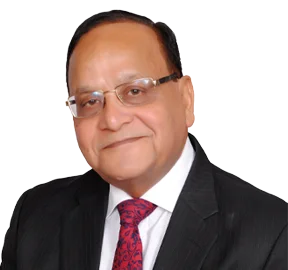
Having supported the GPLS since its early years, we value it as a platform for engaging with customers and stakeholders, showcasing its innovations, understanding evolving industry needs, and gathering feedback to better meet customer expectations.
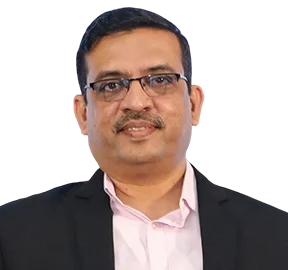
This year's (2025) GPLS highlighted vendor collaboration through S&OP to address tariff and cargo challenges. It also provided an opportunity to connect with industry partners, discover new vendor offerings, benchmark services, and gain insights that support better logistics planning and business decisions.
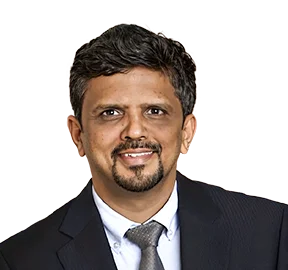
I enjoyed hearing diverse perspectives from pharmaceutical companies, logistics providers and technology innovators. The discussions reinforced that collaboration, innovation and understanding each other's challenges are essential to balancing compliance, managing costs and solving the industry's biggest issues.
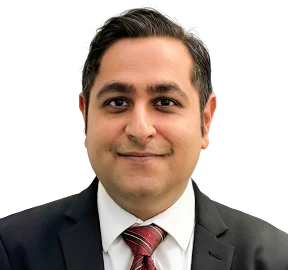
GPLS is a convergence of not only logistics companies but carriers, airports, and customers from around the world. It’s a great place to engage and deliberate on various needs that we could solve together.
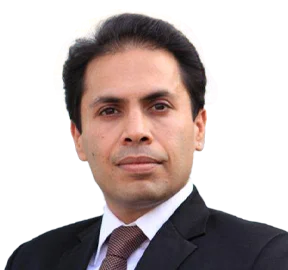
GPLS offered an opportunity to connect with diverse industry partners beyond pharma and explore how sectors are adopting artificial intelligence and digitalisation, providing valuable insights into emerging technologies and best practices across industries.
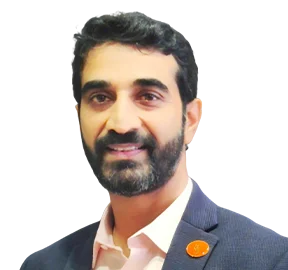
GPLS brought together professionals from across the industry, offering diverse perspectives on the evolving global business environment. These discussions helped us better understand emerging exposures and identify practical solutions to address changing challenges.

My biggest takeaway from the conference was the reminder that, at the end of the day, every shipment we handle is meant for a patient. We all have a responsibility to act ethically, invest in the growth of the pharma industry, and build a modern, technology-driven supply chain that puts India on the global map.

GPLS is a platform where pharma shippers, logistics providers, airports, airlines, and regulators have come together to shape the future of pharmaceutical logistics through knowledge sharing, networking, and strategic discussions.

GPLS has helped us connect with the right stakeholders and has been a fruitful event. We have met many key stakeholders who are interested in our products and innovations.

PAST PARTNERS


PAST PARTICIPANTS